

It is not possible to have a supply chain that never experiences a problem. From natural disasters to escalating geopolitical tensions and unforeseen accidents, disruptions are not only frequent, but to be expected. Disruptions can be severe, having the potential to incapacitate supply chains, leading to delays, rising costs, and dissatisfaction from customers and regulators alike. Supply chain resilience, therefore, is not just a luxury, but a necessity.
Businesses that don’t take the time to prepare for supply chain threats or develop internal processes that are agile and adaptable will fall behind in reputation, profitability, and may even struggle to survive in this competitive landscape.
Whether your business is local and small or a large, multinational enterprise, adopting a proactive approach to supply chain resilience will be the key to mitigating risks and to gaining a competitive advantage. By developing supply chain resilience, you will be able to handle the supply chains risks that constantly emerge.
Step 1: Understand your Supply Chain and Build Relationships with Your Suppliers
As Carl Sagan famously said, “If you wish to make an apple pie from scratch, you must first invent the universe.” Similarly, to improve and strengthen your supply chain, you must first understand how it works. Start by mapping your supply chain. This can include your suppliers, logistics nodes, transportation lanes, warehouses, distribution centers and so forth.
Then, get to know your suppliers a bit more, especially the risks they introduce into your business. Use this information to make educated decisions about your suppliers. Your business may need to diversify its supplier base, or take steps to ensure that your suppliers are all compliant with relevant global regulations. Or, if you find a supplier is non-compliant or unreliable, you may choose to research and find other suppliers that could better serve your supply chain needs.
Finally, establish strong partnerships with your suppliers. Open communication and trust can enable greater flexibility during crises, and can assist in joint planning and risk management strategies.
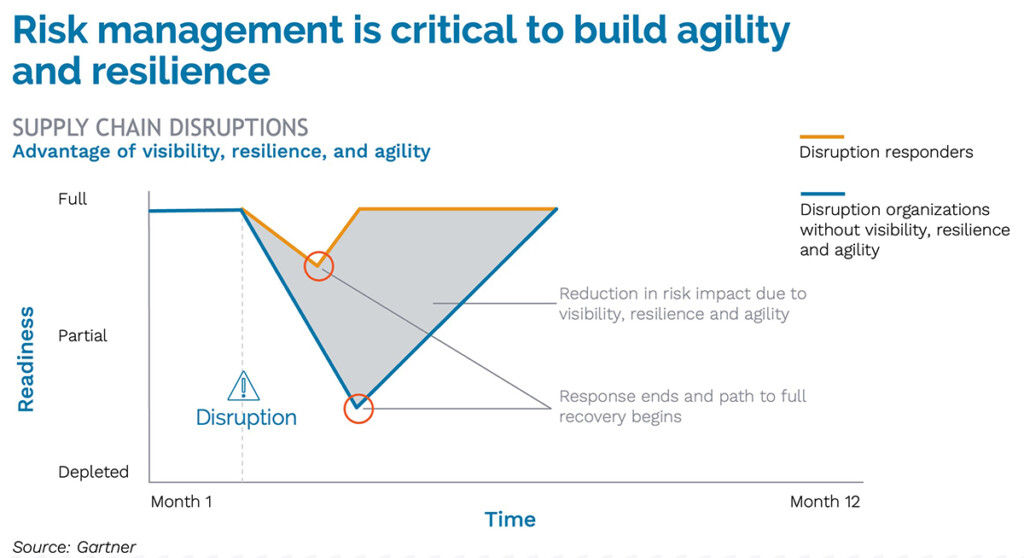
Figure 1: You need a balance of visibility and agility to achieve supply chain resilience, which will in turn drive greater readiness to respond to disruption
Step 2: Invest in the Right Supply Chain Tech
Building supply chain resilience is not a manual task – it must be aided by technology. There are simply too many data points, coming from a vast amount of data streams from around the world, to keep up with and accurately analyze. Finding and implementing the right supply chain management tools and technologies is key to creating a supply chain that can weather both metaphorical and literal storms.