


Leading organizations are pursuing more powerful, intuitive, and integrated solutions to the challenge of supply chain risk, and deploying the supply chain Center of Excellence (CoE) to get there. Supply chain managers are moving away from the reactive model of the past. In firefighting mode, every disruption is a new crisis and responses are created on the fly. Instead, their goal is to develop processes and capabilities to manage ongoing risks and disruptive events. This becomes part of the day-to-day operations of the supply chain.
Organizational change is a journey. Here, we will outline a phased approach to the development of SCRM capabilities, with the CoE at its heart.
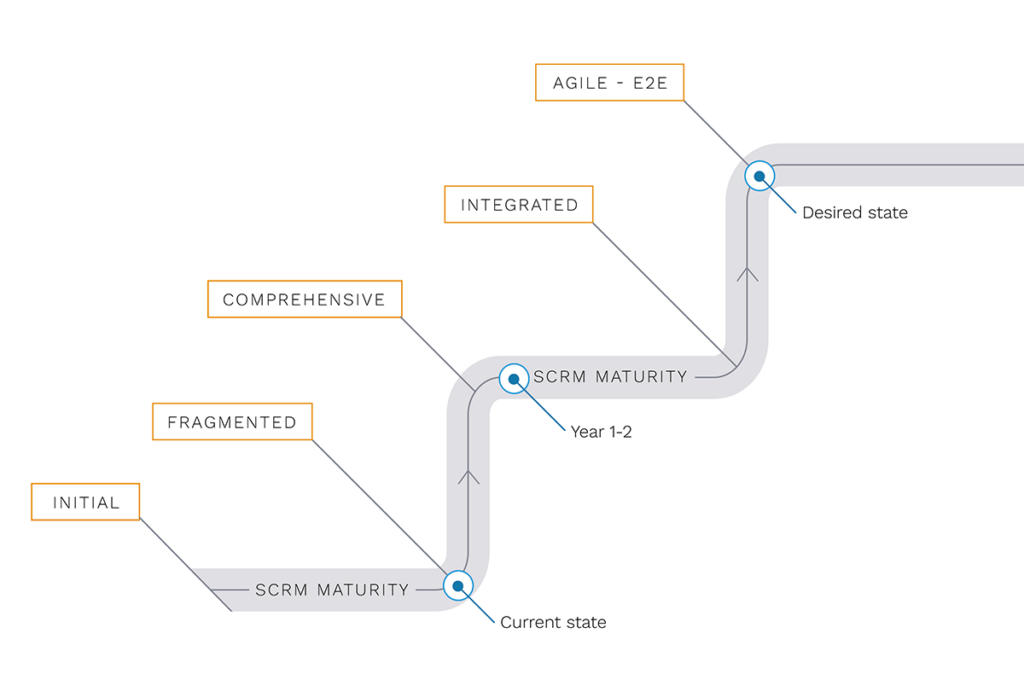
Figure 1: Everstream’s maturity framework demonstrates the path from a fragmented reactionary supply chain setup to an agile end-to-end supply chain management.
The Agile Supply Chain Center of Excellence
Supply chain risk management is a specialized activity. It requires detailed knowledge of risks and risk mitigation strategies, access to data from multiple internal and external sources, and the ability to analyze that data, gain insights, and determine appropriate responses.
Building an agile and resilient supply chain is a complex change-management task. Firstly, it requires the design and deployment of new policies and operating procedures. In addition, you need intensive cross-functional collaboration, and effective communication with multiple stakeholders.
The fastest, most effective way to introduce those things into a business is by creating a dedicated organization to manage them: the agile supply chain risk management center of excellence. This new organization doesn’t need to be big. Many SCRM CoEs begin with a single leader and grow over time. As they mature, they may include a small handful of managers and subject-matter specialists. Furthermore, because SCRM involves so much of the broader supply chain organization, it makes sense to centralize this expertise. This is much more efficient than attempting to replicate the same skills across dozens of teams.
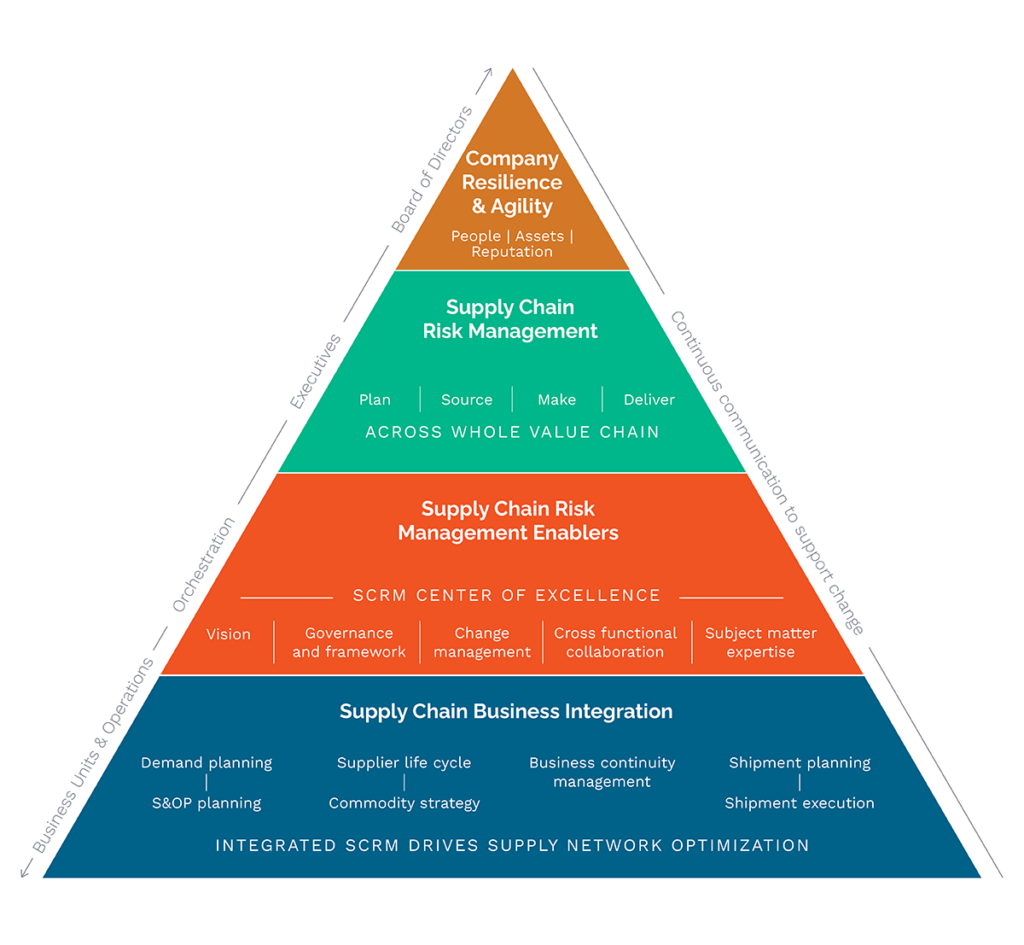
Figure 2: Agile Supply Chain Risk Management brings the whole organization together
Developing the Vision and Strategy
The SCRM CoE plays a central role in developing risk management vision and strategy. This includes establishing risk management processes and tools and planning their deployment across the organization.
Key activities include:
- Working with senior leaders to define a clear vision for supply chain risk management, which is aligned with the company’s overall mission and its supply chain management goals
- Establishing governance frameworks, communication procedures, and feedback mechanisms so SCRM activities can be monitored and improved over time
- Driving change-management activities to roll out and embed new processes, new tools, and a new culture across the organization
- Fostering cross-functional collaboration by establishing a supply chain risk management board, organizing update calls with key stakeholders, and managing metrics and dashboards to create transparency about the organization’s SCRM capabilities
Support and Driving Adoption
When the rollout begins, the CoE has three main functions. Firstly, to support end users as they adopt new approaches. Secondly, the CoE manages communication and collaboration on risk topics. Thirdly, the CoE tracks the organization’s progress toward its SCRM vision.
Key activities include:
- Managing new digital tools and data sources that improve the organization’s awareness of risks and its ability to manage, mitigate, and respond to them
- Enabling SCRM adoption by integrating new tools and processes into existing supply chain systems and workflows, training and supporting users, and continually refining and improving the user experience
- Working across the business to identify, codify, and share best practices and assess the value of SCRM activities
Evolution of the CoE
Over time, the CoE gradually transitions into its end-state. This involves a mixture of direct, tactical support on risk management issues. In addition, the CoE is responsible for the continuous evolution of risk management strategies and processes.
Key activities include:
- Crisis management in the event of supply chain disruptions
- Providing data and analyses to support complex procurement or network design tasks
- Evaluating new and emerging threats
- Introducing new tools and technologies
- Continually improving risk management policies and processes
- Getting there from here
If your risk management capabilities are not yet where you want them to be, you need a pathway to improve them. The first step in any change journey is an honest assessment of where you stand today. Next you need a clear vision of where you want to go.
Leading companies often begin this work by nominating an executive to oversee SCRM and establish an SCRM CoE. At the outset, the CoE is likely to be extremely small. For the early phases of an SCRM transformation, it may require just one dedicated person with the drive, energy, and experience to build the function. That involves five broad phases:
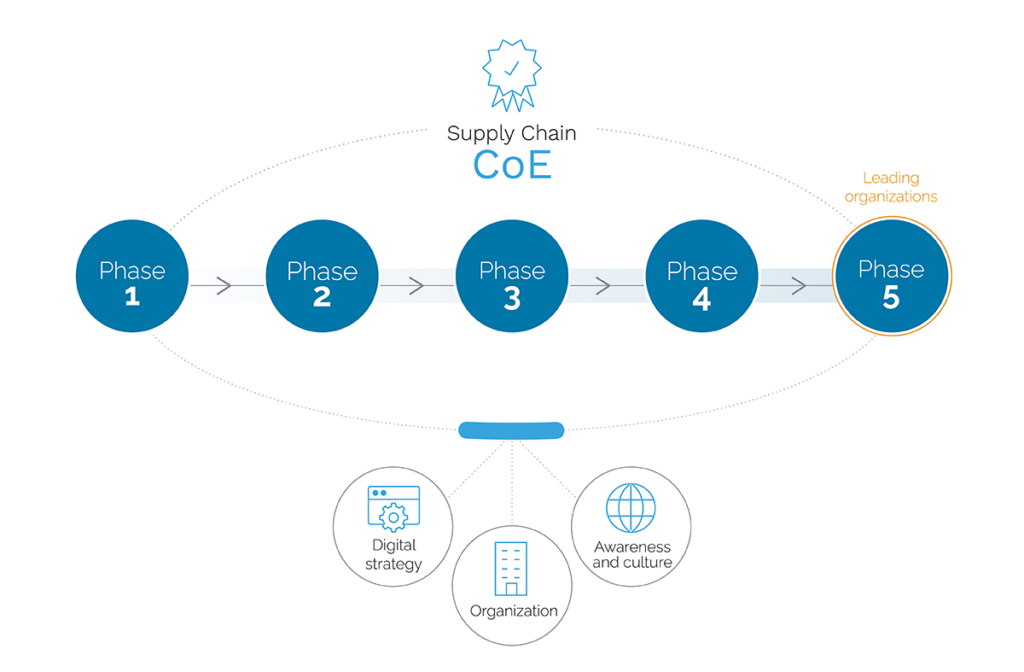
Figure 3: Throughout a companies maturity development the SCRM COE constantly reevaluates its digital strategy, the organizational setup and the awareness and culture around agility, resilience and sustainability.