

The Impact of the Super El Niño
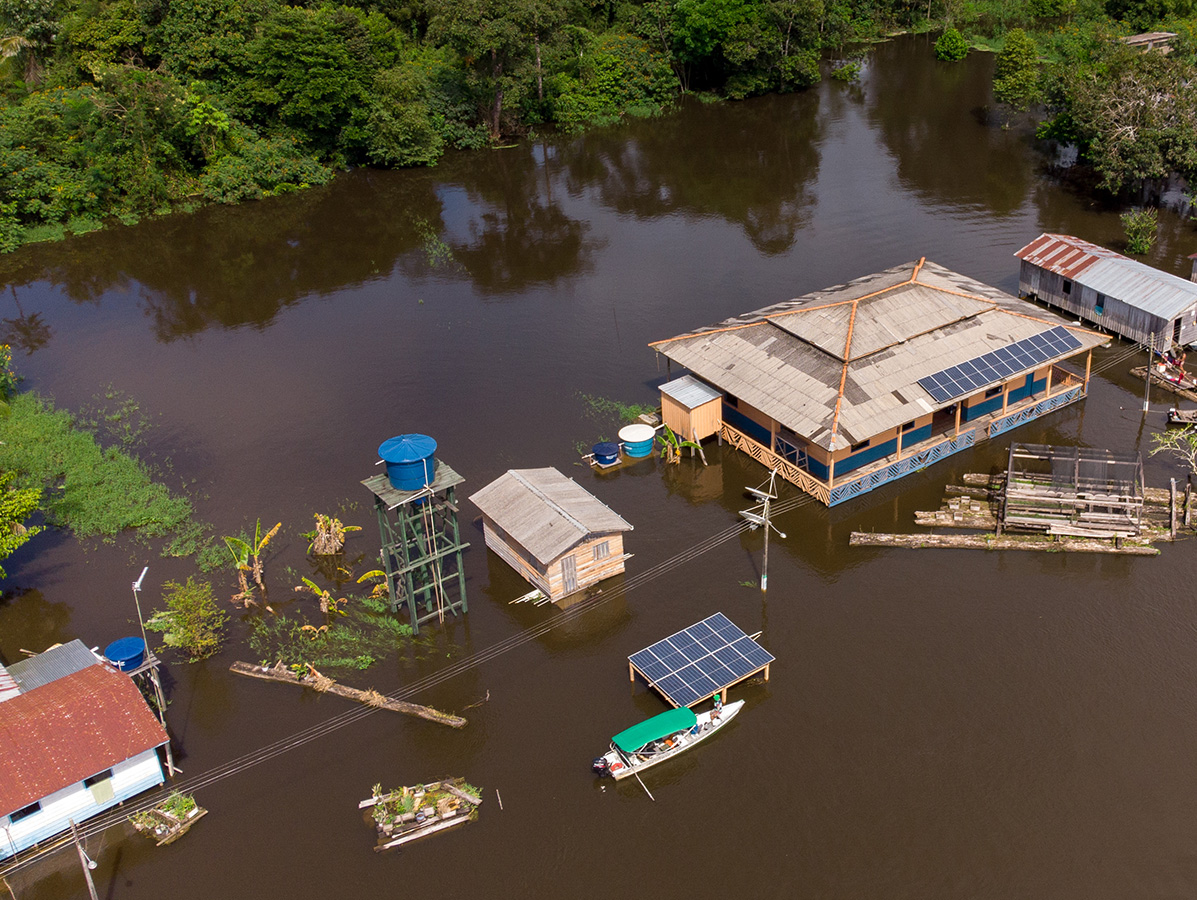
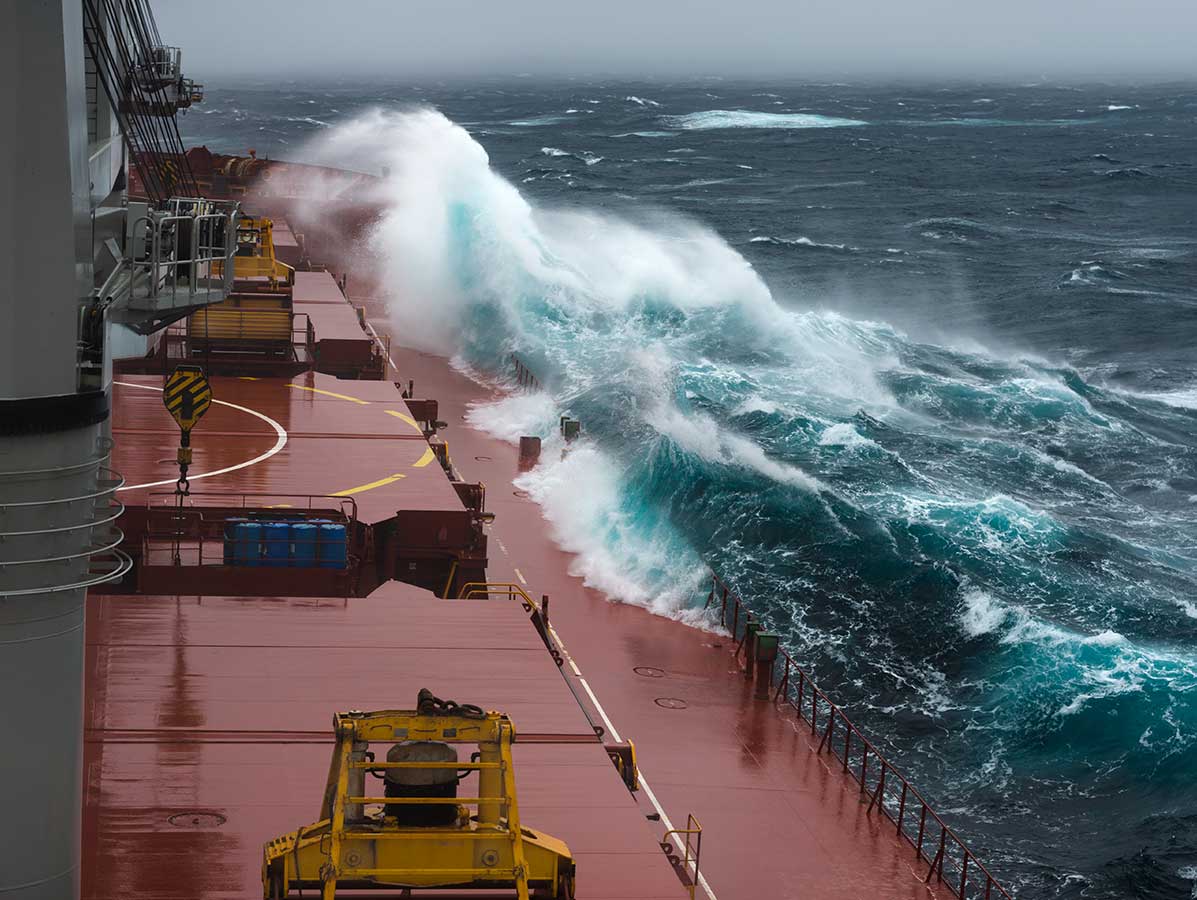
Extreme weather events and natural disasters cause widespread supply chain disruptions. This includes inaccessible transportation routes and waterways, and damage to physical infrastructure.
Floods and droughts destroy crops, causing agricultural commodity shortages. This, compounded by the current fertilizer shortages, could send food prices soaring.
Earlier this year, we transitioned out of a prolonged La Niña event. Now, we are firmly in the grip of an intensifying El Niño. This is not just any El Niño. Current indicators suggest it will become a historically significant “Super El Niño” by the end of this year and will continue early next year.
This event will fundamentally redistribute weather-related risks around the globe, creating significant ramifications for supply chains, business operations, and global economies.
From Neutral to Super El Niño
The transition has been remarkably swift. In March, sea surface temperatures in the equatorial Pacific were neutral. By May, we officially entered an El Niño event. This June, ocean temperatures in the core monitoring zone are nearly 1.5 degrees Celsius above normal.
When we look back over the last four decades, there have been three Super El Niños. These occurred in 1982-83, 1997-98, and 2015-16. During the last event, India, Indonesia and Australia experience significant dryness.
It seems likely that this El Niño could match, or even surpass, the previous occurrences.
Current computer guidance is exceptionally aggressive, indicating a high probability (over 60% for the October-December timeframe) that the current event will match or even exceed the strength of those historic precedents. The stronger the event, the larger its global footprint and the more severe the impacts and weather-related disruptions.
Redistributing Global Supply Chain Weather Risk
A Super El Niño fundamentally changes atmospheric circulation patterns, shifting risks on a global scale.
Let’s take a look at how weather risk will shift.
Ground Zero: Southeast Asia and the Pacific Rim
The most severe impacts of a Super El Niño are typically felt in Southeast Asia. This region, which enjoyed favorable rainfall during the recent La Niña years, is now facing a massive increase in dryness and heat risk.
Large areas of Southeast Asia will have increased risk of droughts. This includes India, the Southeast Asian peninsula, Indonesia, Malaysia, the Philippines, Australia, and even New Zealand.
India and Indonesia are facing the highest short-term risk. Extended computer models project significant rainfall deficits from July through September, indicating a poor monsoon season.
This extreme dryness and heat elevate wildfire risks and threaten agricultural production. It also poses severe risks to industrial manufacturing and energy infrastructure, which rely heavily on water availability.
The Americas: A Mixed Picture
The impacts across the Americas vary significantly by region.
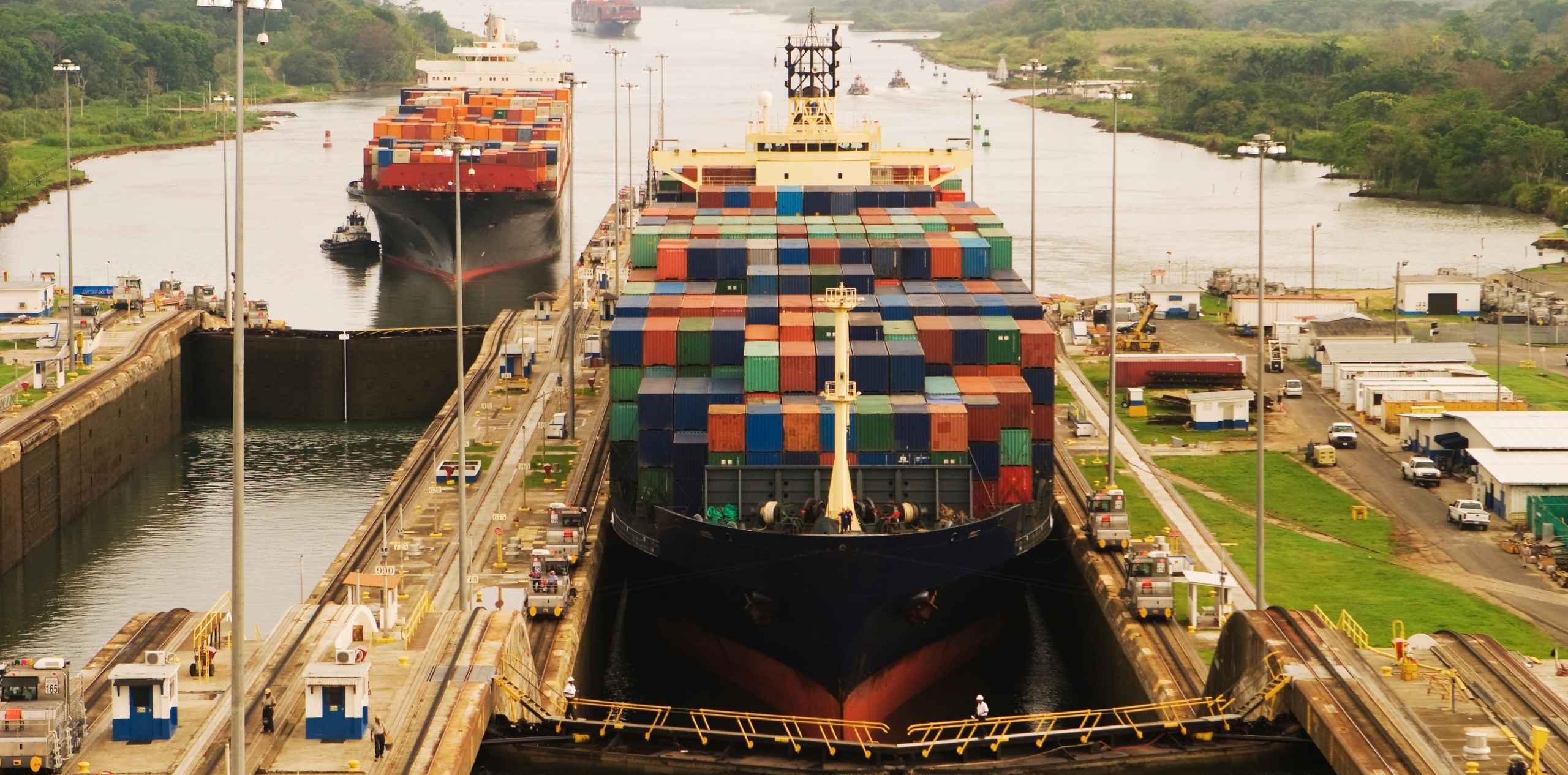
Central America and the Panama Canal faces an increased risk of dryness. The Panama Canal is particularly vulnerable.
During the strong El Niño events of 2015 and 2023, reduced rainfall led to critically low water levels in Lake Gatun, resulting in vessel restrictions, shipping delays, and higher transportation costs. While water levels are currently above normal, the Panama Canal Authority is already taking preventative measures and adjusting drafts in anticipation of the intensifying El Niño.
In addition, southern South America faces an increased risk of flooding due to heavier rainfall.
The United States generally experiences wetter conditions during an El Niño. Looking ahead to next winter, there are expectations of above-normal rainfall and potential snowfall in parts of the Western U.S., which could lead to transportation and operational disruptions.
The Tropics: A Tale of Two Oceans
El Niño drastically alters the risk profile during the tropical storm season.
El Niño tends to “fire up” the Pacific. We expect above-normal tropical activity (hurricanes and typhoons) in both the Eastern Pacific (Western Mexico) and the Western Pacific (impacting China, the Koreas, Japan, Taiwan, Hong Kong, and Vietnam).
Conversely, El Niño suppresses tropical development in the Atlantic basin. Supply chains utilizing the U.S. East Coast and Central America face a below-normal risk of tropical impacts this season.
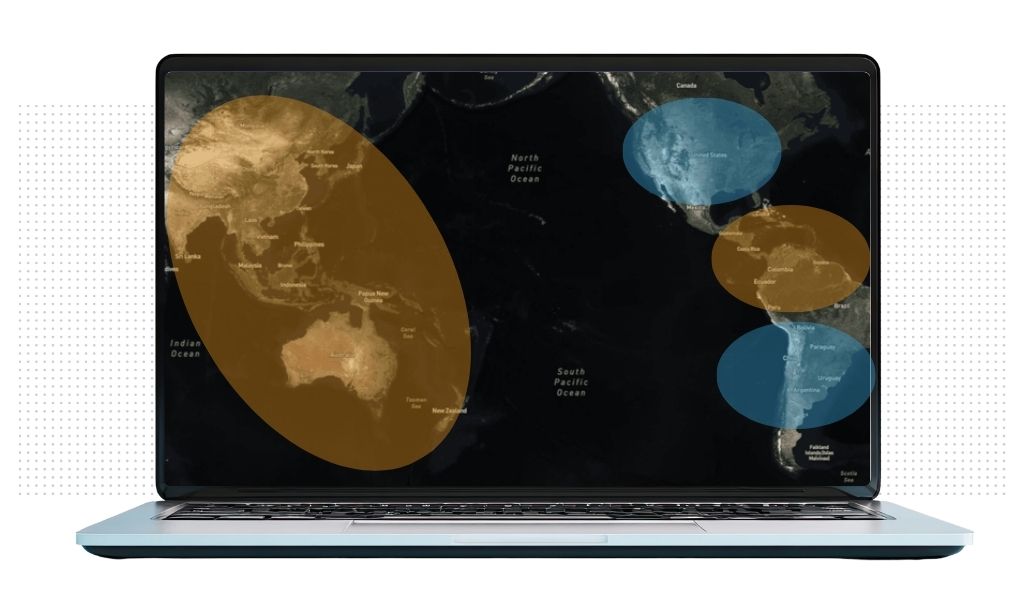
Figure 1: Areas shaded in orange have an increased risk of dryness, but a decreased risk of supply chain disruptions caused by rain. Areas shaded in blue will experience normal or above normal rains, reducing risks associated with dryness.
An Emerging Threat: European Heat and Drought
While not entirely related to El Niño, Europe is currently facing an alarming situation. We are seeing a rapid expansion of soil moisture deficits across the continent.
Following record-setting heat in late May, another impressive heatwave is developing, particularly impacting Western Europe. This indicates a growing trend of significant heat and higher dryness risks that could cause major disruptions this summer and beyond.