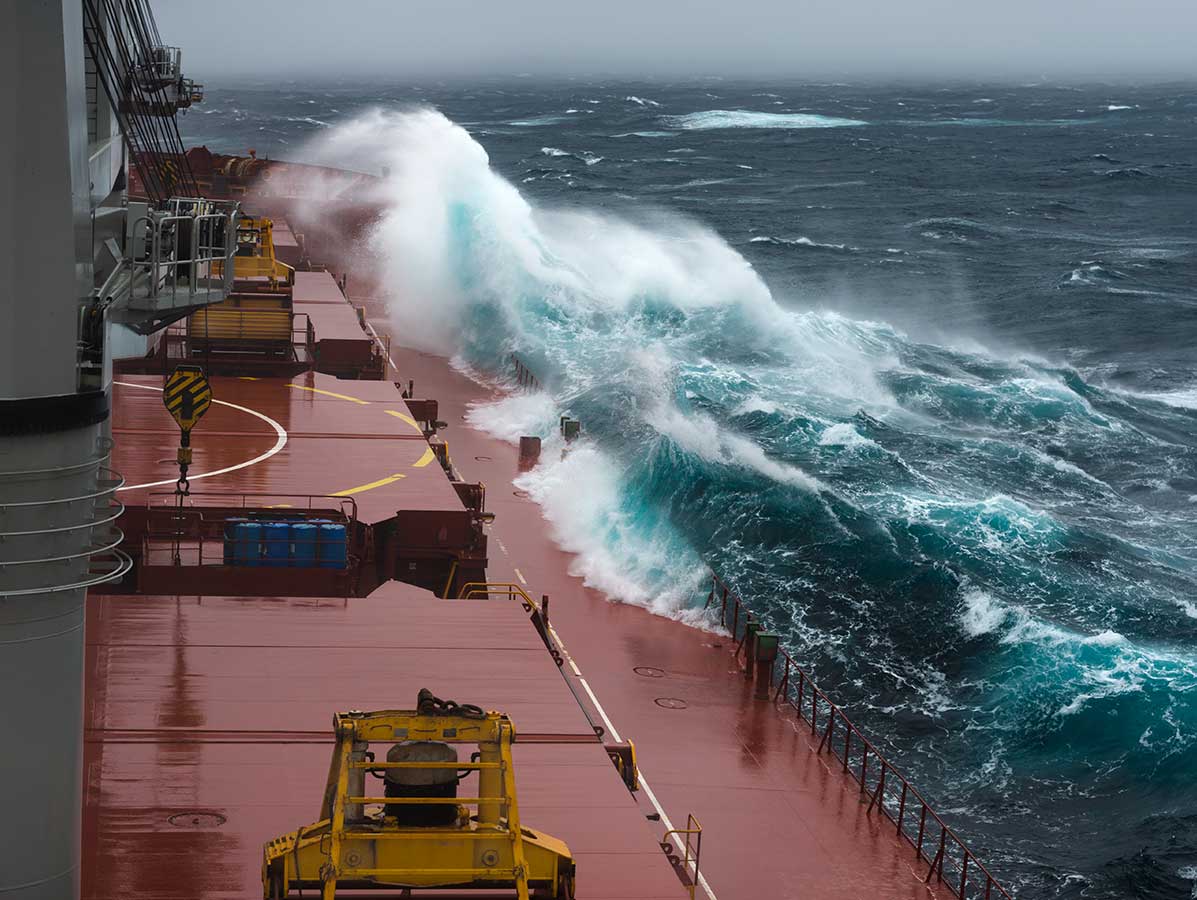


Weather is a persistent threat to supply chains. At its most extreme, severe weather can cause loss of life, as well as disrupt transportation networks; damage critical infrastructure; cause production stoppages; and destroy crops, buildings and homes.
In addition to operational disruption, extreme weather has significant economic impacts.
Figures from EM-DAT (Emergency Events Database) found that tropical cyclones drive the most economic damage. Since 2000, these extreme wind events have caused more losses than any other weather category. Non-tropical cyclones rank second. This trend is accelerating as evidenced in the last decade – four of the five most costly years have occurred since 2017.
Furthermore, EM-DAT found that global economic losses from flooding have also surged by 27% since 2000 to an average of $42 billion every year.
This pattern reveals a clear intensification of supply chain disruptions. However, this is not just about the cost of disruption – it is also a hidden tax on the global economy. The cost is ultimately passed down to all of us as consumers.
The Surprising Domino Effect
Extreme weather in one part of the world can trigger a cascade of disruptions in industries that seem entirely unrelated.
Wheat, for example, has many uses besides food such as bread, cake, and pasta. Different parts of wheat are used in a variety of products including cosmetics and skincare, adhesives, surface coatings, polymers, resins, particle boards, paper products and so forth. Similarly, cacao, oats, and rice are also used in pharmaceuticals, cosmetics, and skincare products.
A shortage of these key ingredients, therefore, translates to higher costs for more than just foodstuffs. Food manufacturers, pharmaceutical companies, and cosmetics brands end up in a bidding war for the same limited resource.
In a global shortage, supply and demand can create a volatile spot market sending prices soaring. This was starkly demonstrated in 2025, when cacao prices surged 300% above the early 2024 prices.