

This year will see a major change in weather risk for supply chains as the global climate is undergoing a major transition. As we move from a prolonged La Niña event to an anticipated El Niño, weather circulation patterns around the globe will fundamentally shift.
This transition will alter weather-related risks in many areas of the globe, directly impacting supply chains, business operations, and transportation networks. In this post, we explore the science behind this shift and what you need to know to prepare for the changes ahead.
From Cold to Warm Ocean Waters
When meteorologists discuss El Niño and La Niña, they refer to the temperature of ocean waters in the equatorial Pacific. This natural cycle has occurred throughout history, with periods of unusually warm water (El Niño) and unusually cold water (La Niña).
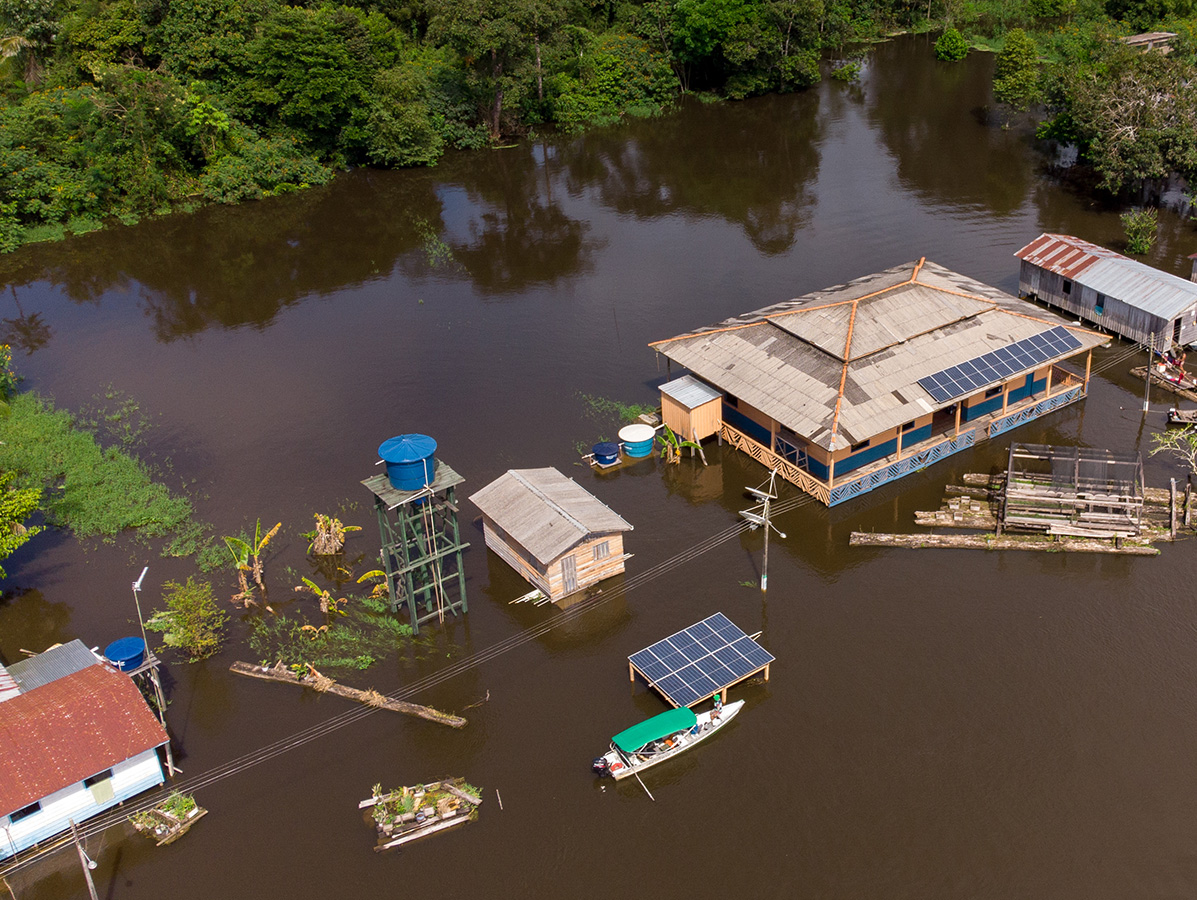
For the past couple of years, the world has experienced a La Niña event. This prolonged period of cold waters in the equatorial Pacific brought extreme weather events, including severe flooding in Southeast Asia, India, Indonesia, and Southern China, alongside persistent dryness in parts of the United States.
However, 2026 is unique. We started the year firmly in La Niña conditions, but a transition is currently underway. Water temperatures in the core monitoring zone of the equatorial Pacific are warming. As of April, sea surface temperatures (SSTs) have risen to normal levels. Hence, the multi-year La Niña event is over.
Current probabilities indicate neutral conditions throughout the spring months, with a high likelihood, exceeding 80% in some forecasts, of an El Niño event developing by summer and continuing through the latter half of the year.
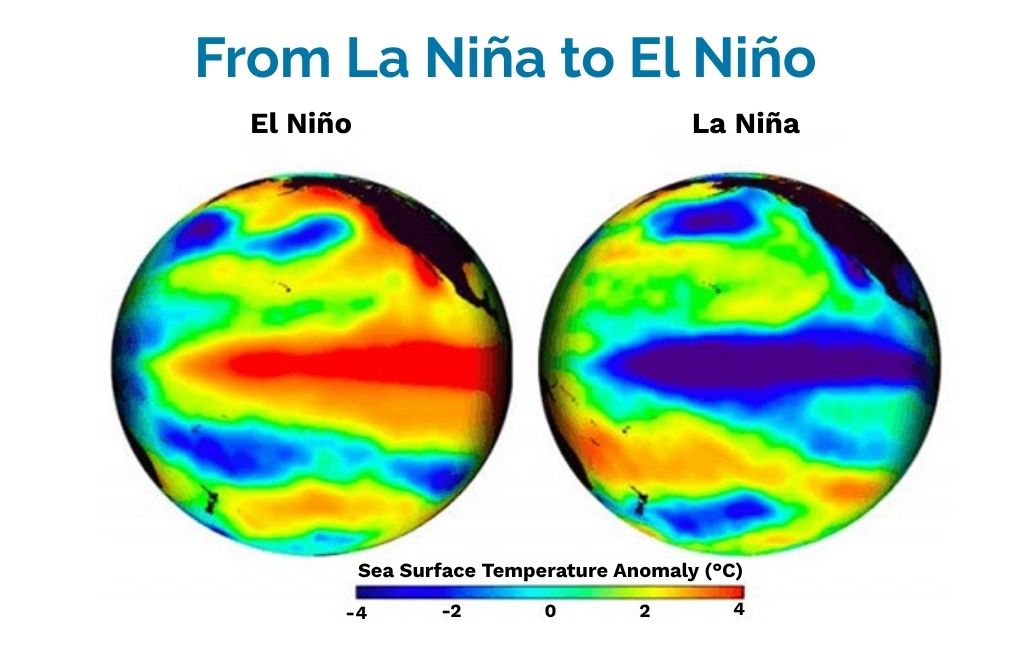
Figure 1: During El Niño, the temperature of ocean waters in the equatorial Pacific heats up altering precipitation and temperature patterns, which changes weather risk for supply chains.
How Extreme Weather Depends on Oceanic Cycles
This transition is important because much of the extreme weather that impacts global supply chains is dependent on these oceanic cycles. Transitioning from La Niña to El Niño essentially transfers risk across the globe, altering precipitation and temperature patterns. This will potentially cause supply chain disruptions for both procurement and logistics.
The Americas
The shift to El Niño brings varied impacts across the Americas:
North and South America (General): Much of North America and large parts of South America (such as Argentina, Uruguay, Paraguay, and southern Brazil) typically see reduced dryness risks during El Niño. More frequent rain activity can occasionally cause localized flooding, but it generally alleviates large-scale drought conditions.
Western United States: The western U.S., which has faced significant precipitation and snow deficits recently, may find relief but not until late this year and early in 2027. El Niño winters tend to produce much wetter conditions with higher snow totals in this region. This is a crucial area to watch for water resource replenishment heading into next winter. Acute dryness the past 6 months in the west (the water season in this area) portends for a high probability of a hot summer with enhanced wildfire risk.
Central America and Northern South America: In stark contrast, Central America becomes a zone of increased dryness risk. Countries like Panama, Costa Rica, Guatemala, Venezuela, and Colombia often experience reduced rainfall during El Niño transitions.