


In 2024, ethical business practices are increasingly under the spotlight. Canada has taken a significant step forward with the 2024 Annual Report to Parliament on the Fighting Against Forced Labour and Child Labour in Supply Chains Act. This landmark legislation aimed to shed light on the often-unseen practices within supply chains that can have severe implications for human rights.
Purpose of the Supply Chains Act
The Act came into force on January 1, 2024. It is designed to uphold Canada’s international commitment to combat forced and child labor. The Act mandates certain government entities and corporations to report annually on their efforts to mitigate such risks within their supply chains. Therefore, this not only fosters transparency, but also holds these organizations accountable for their contributions to ethical practices.
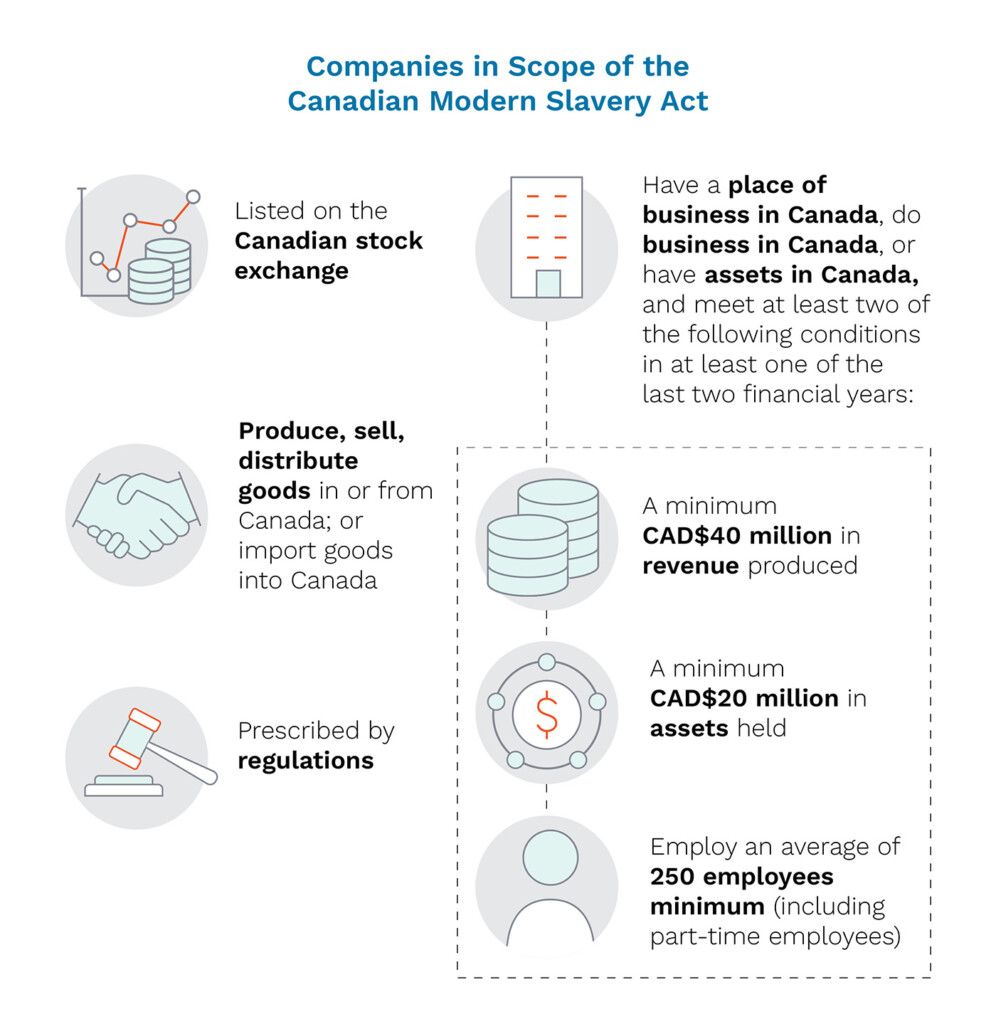 Figure 1: In-scope company requirements for the Canadian Modern Slavery Act
Reporting Requirements and Public Safety Canada’s Role
Each year, reports must be submitted by May 31. These must detail structures, policies, and the due diligence processes in place to tackle forced and child labor risks. Public Safety Canada plays a pivotal role as the federal body overseeing the Act’s implementation and enforcing reporting obligations. Throughout the first reporting cycle, Public Safety Canada has been instrumental in setting up the necessary frameworks, publishing guidance, and engaging with stakeholders to ensure widespread understanding and compliance.
Key Outcomes from the First Reporting Cycle
The initial year of reporting has been a foundational period for Canada. A total of 5,795 submissions were received by the deadline, with government institutions and entities both highlighting areas of potential risk and detailing their remedial actions. Public Safety Canada received a notable number of joint reports, allowing for a more comprehensive analysis of corporate group activities.
The report also reveals the diverse strategies employed to identify and manage risks, from the development of supplier codes of conduct to thorough internal assessments. Despite this, while many organizations have begun mapping their supply chains to identify risk areas, a significant portion has not yet started this process, underscoring the ongoing journey toward complete transparency.